 Civil Resilience
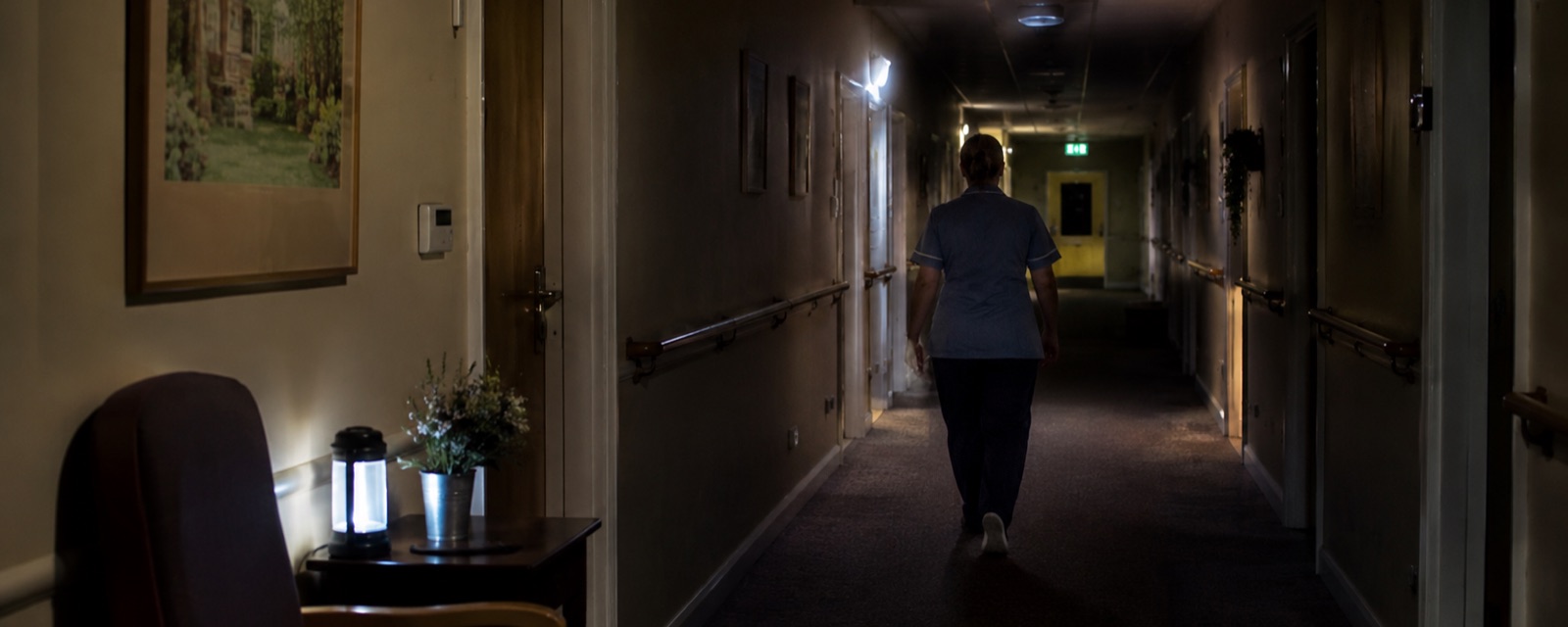
Utilities failure at work
Power, water and communications loss at a workplace. What each one takes down, what the Be Ready pages say to do, and how the continuity toolkit treats loss of utilities as a risk to plan for.
- Utilities
What the toolkit asks you to decide
The Cabinet Office toolkit names loss of utilities such as water, gas or electricity, loss of IT and telecommunications, and loss of or access to premises among the risks a continuity plan assesses. Before that, in the business impact analysis, it asks what IT is essential to each critical activity and what means of voice and data communication it needs. Its tactics include keeping the same technology at a second location the same incident would not affect, holding older equipment as spares, keeping backed-up data off site, and remote working. It asks for a place from which an incident will be managed, with telecommunications, and an alternative in case the first is cut off. Back-up power and communications equipment are among the things it says can be tested directly. The emergency pack holds a charged mobile phone with credit, a torch, the utility companies' contact details and a site plan marking the gas, electricity and water shut-off points.
Power
Be Ready says most power cuts are short and local, but regional outages lasting several days can happen. Without power, gas ovens, boilers, heat pumps and the internet do not work, a mobile phone may stop if the local mast is affected, and mains water can be disrupted during and after the cut.
To report a power cut or follow updates, use the network operator's website or call 105, free in England, Scotland and Wales. During the cut, keep away from power lines, turn off irons, ovens, electric fires and fryers, and unplug televisions and computers, which a surge can damage when the supply returns. Keep fridges and freezers closed.
Some solar and battery installations can keep running in a power cut if they are designed to work independently of the grid. The Priority Services Register site carries a booklet for small and medium businesses on planning for power cuts. See power cuts.
Water
Interruptions range from planned maintenance to burst mains. They are usually over quickly, but longer outages happen. Be Ready says the water company is the best source of information, and its website will say whether alternative water can be collected. The preparation it recommends is bottled water, three litres per person per day for three days, and more for medical devices. Anyone who relies on a medical device that needs water should plan with their care team.
During an outage, use bottled water only for drinking, hand washing and food preparation, and wash hands from a bowl of water with soap or disinfectant. Afterwards the water may be discoloured; run the cold tap nearest the stopcock until it clears. See water supply interruptions.
Phone and broadband
An outage may hit one network or all of them, and after severe weather can last days. The analogue landline is being replaced by a digital network, and anyone whose only route to 999 is a landline should ask the provider whether it works in a power cut. A customer recorded as vulnerable can get tailored communications and priority fault repair.
If the mobile network is down but Wi-Fi is up, calls over Wi-Fi may connect. Public Wi-Fi may still be available and messaging may work when calls do not. Keep a paper copy of important numbers and a small amount of cash in case payment systems are down. Providers often have a status page for incidents. See phone and broadband outages. Staff who depend on a supply at home for medical reasons can register for the Priority Services Register.
Key points
- The toolkit lists loss of utilities, loss of IT and telecommunications, and loss of premises among the risks to assess.
- Write down what IT and what voice and data communications each critical activity needs.
- Without power, gas ovens, boilers, heat pumps and the internet stop, the mobile may too, and mains water can be disrupted.
- Report a power cut on 105, free in England, Scotland and Wales, or through the network operator's website.
- Turn off irons, ovens and fryers, and unplug computers against a surge when power returns.
- Keep fridge and freezer doors closed; they stay cold for several hours.
- Keep bottled water, and treat the water company as the source of information on a supply interruption.
- Name a location to manage an incident from, with telecommunications, and an alternative.
Related pages
Sources
- assets.publishing.service.gov.uk/media/5a7b283de5274a34770e9d01/Business_Continuity_Managment_Toolkit.pdf
- beready.campaign.gov.uk/be-informed-about-hazards/power-cuts
- beready.campaign.gov.uk/be-informed-about-hazards/water-supply-interruptions-or-outages
- beready.campaign.gov.uk/be-informed-about-hazards/phone-broadband-outages
- www.thepsr.co.uk
Last updated 29 October 2026. Reviewed 29 October 2026