 Civil Resilience
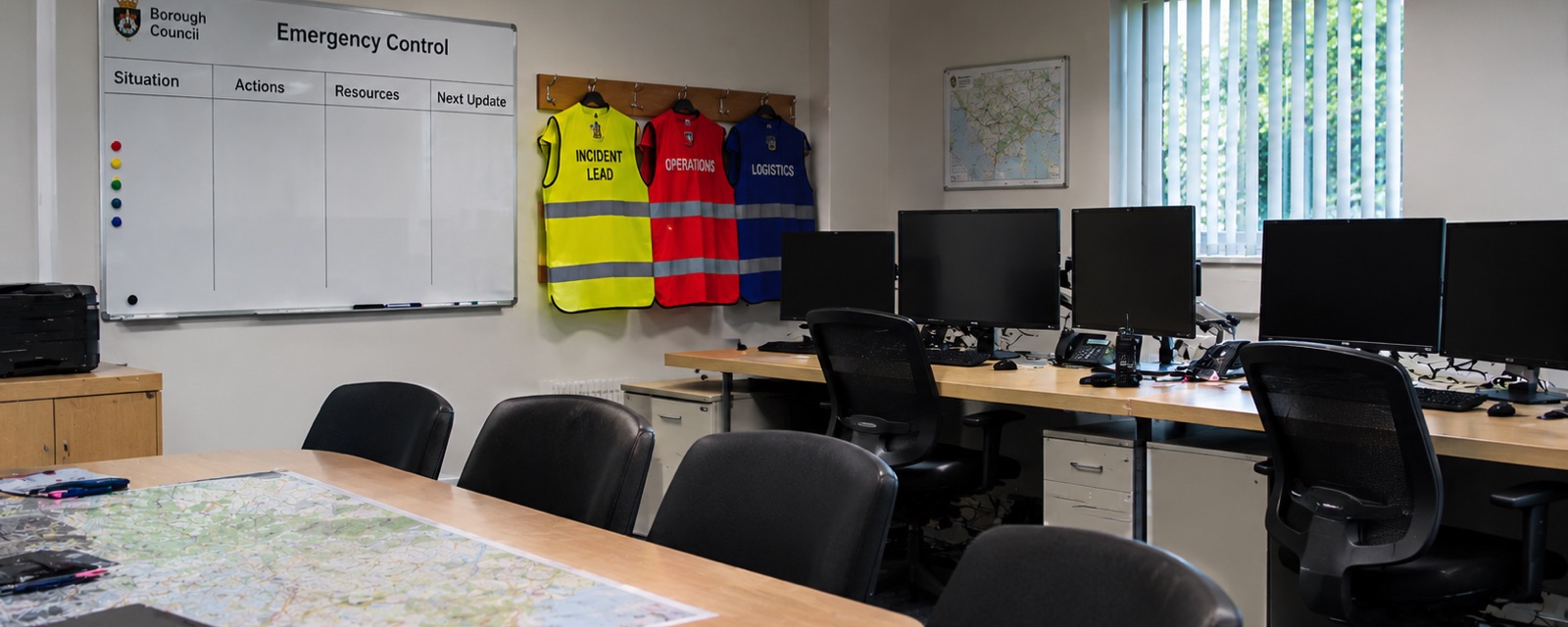
COBR
- Bodies and roles
Gov.uk guidance on emergency response and recovery says that in some emergencies the scale or complexity is such that central government support or co-ordination becomes necessary, though central government "will not duplicate the role of local responders who remain the basic building block of the response". A designated lead government department, or a devolved administration, is made responsible for the overall management of the central response. "In the most serious cases, the central government response will be co-ordinated through the Cabinet Office Briefing Rooms (COBR)."
The UK Government Resilience Action Plan 2026 implementation report describes a newer use of the name. It says responsibility for the overarching resilience system "is led by the COBR Directorate, formed in 2025", which brought together the Resilience Directorate, focused on long-term resilience, and the COBR Unit, "leading short-term crisis management and response". The directorate's purpose is to support collective agreement of the government's preparation for, response to and resilience against the most serious risks. The report says the directorate monitors the risk picture continuously and co-ordinates lead government departments, and that in summer 2025 COBR stood up the Severe Weather Resilience Network during periods of heat.
In practice
COBR is a national mechanism; the local response still runs through the emergency services, councils and the local resilience forum.
Sources
Last updated 29 October 2026. Reviewed 29 October 2026